3D scar record — the first baseline for reading your scar again
Whether this is your first scar treatment or depressions remain after earlier treatment, we begin with your current condition. At the precision first visit, we measure scars and analyze tethering patterns using internal AI predictions. The doctor confirms the findings by palpation before determining treatment methods and order. You take home a 3D Scar Record with an explanation, and we compare under the same conditions at later visits.
Scars remain after treatment. What should come next?
If you are considering more of the same treatment or a different approach, we start with what remains now. We record the surface with the device built by our doctor, then explain the next treatment methods and order after an examination.
01 · Review your treatment history
We ask what treatment you had, when you had it, and what concerns you most now.
02 · Examine what remains now
We record surface depressions, and the doctor examines the edges, tethering, and skin response.
03 · Explain your next treatment
We explain the recommended method, area, order, and reasons. We discuss the treatment plan, cost, and available appointments to arrange a start, and you take home your 3D Scar Record.
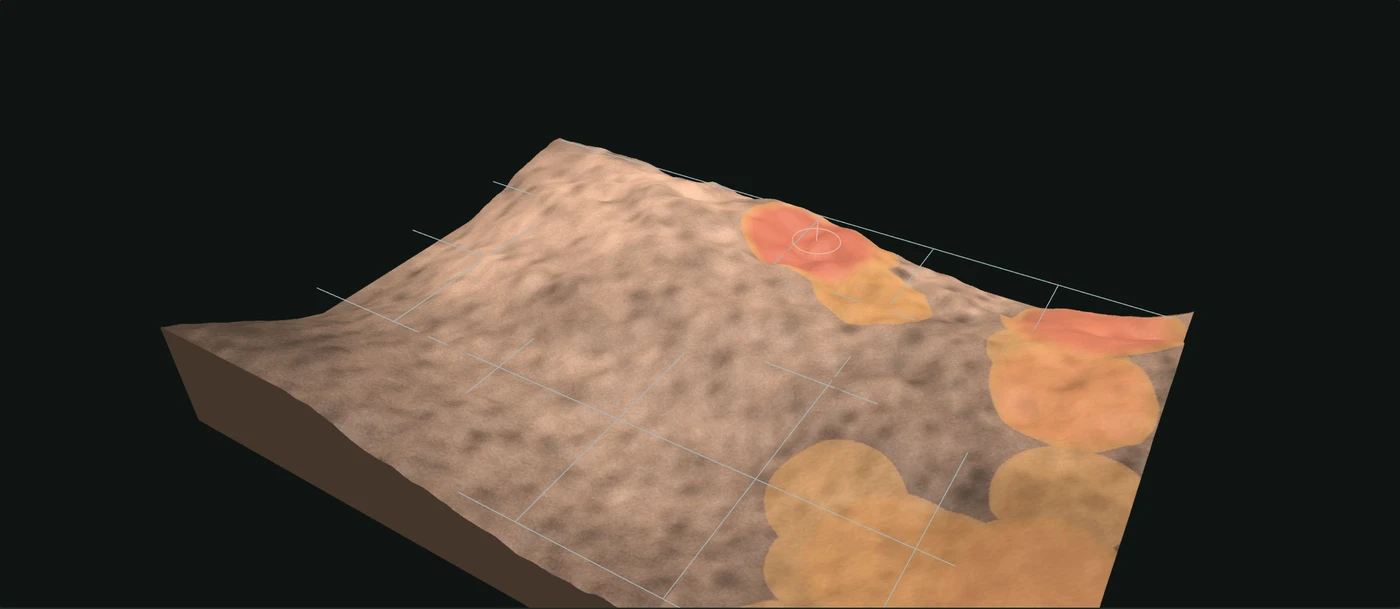
A 3D surface record from an existing public capture, not before-and-after treatment images.
Bring earlier treatment records or photos if you have them. We can examine your current condition without them.
— Who Needs Baseline
If it is unclear what to review first, we start with a recovery baseline
You still have scars after repeated treatments
You have had several acne scar procedures but no clear standard for what remains
Indentation, redness, and pigmentation are present together
Ice-pick, rolling, and boxcar scars are mixed and priority is unclear
You want to separate marks from scars
You want red marks, pigmentation, and pitted scars reviewed separately
You are unsure about the order of laser, Saesalchim, and skin booster
You want to compare what to review first among Saesalchim, laser, and skin booster
Sensitive skin makes you unsure when to begin
You have sensitivity or recent procedure history and want the start timing checked
You want to separate what to do now from what to wait on
Before proceeding, you want to know what can be approached now and what should be reviewed in stages
IINote preview
— 3D Scar Record
At your initial consultation, we choose the treatment methods and sequence for your scars
After the precision first visit, your 3D Scar Record summarizes a scar location map, structural assessment, underlying tethering patterns, skin response, Saesalchim access range, and a 6–12-week comparison baseline. We record the same surface site under the same conditions with the scar-dedicated device built by RECOVER. We refer to the internal AI prediction program’s tethering estimates and record the doctor’s palpation findings on the degree, direction, and extent of tethering.
RECOVER · ACTUAL CONSULTATION RECORD
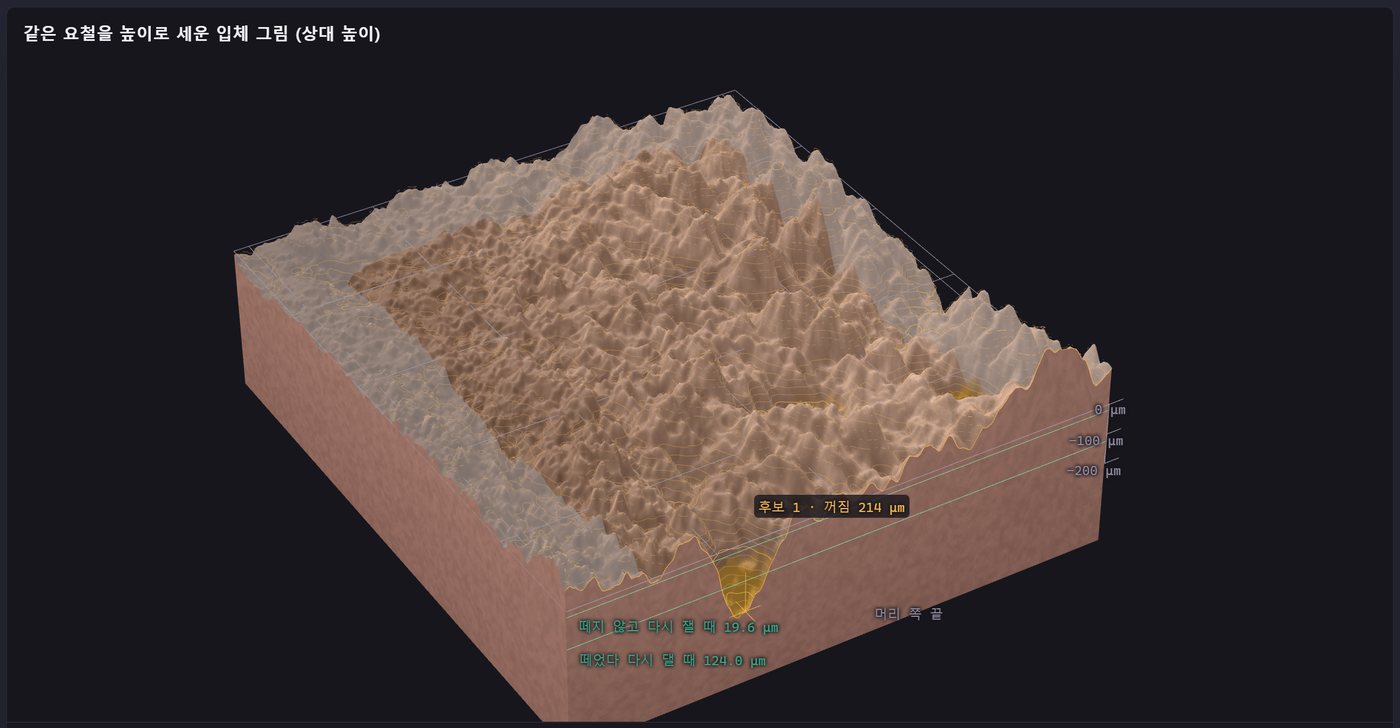
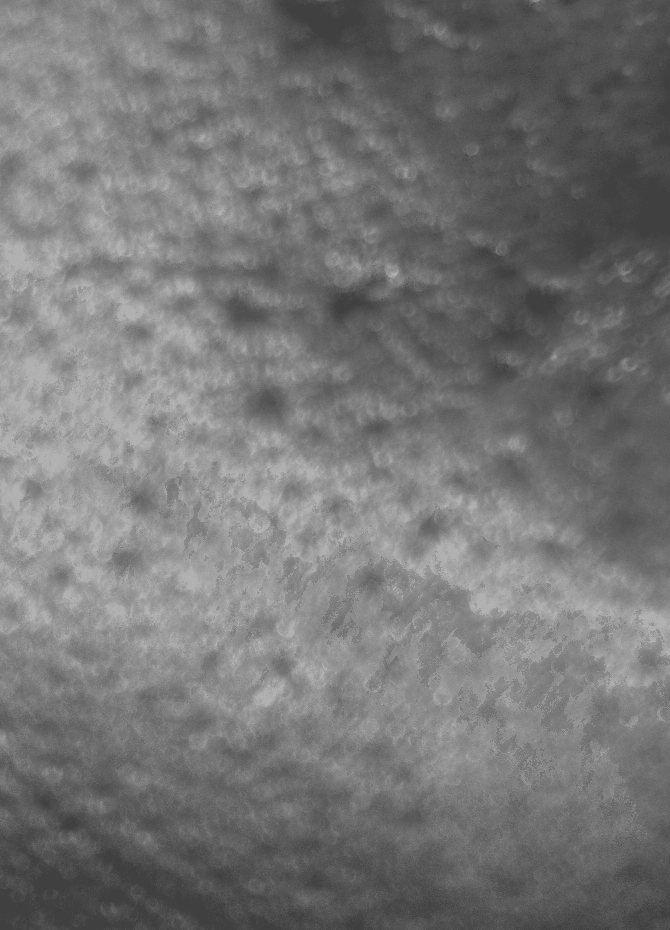
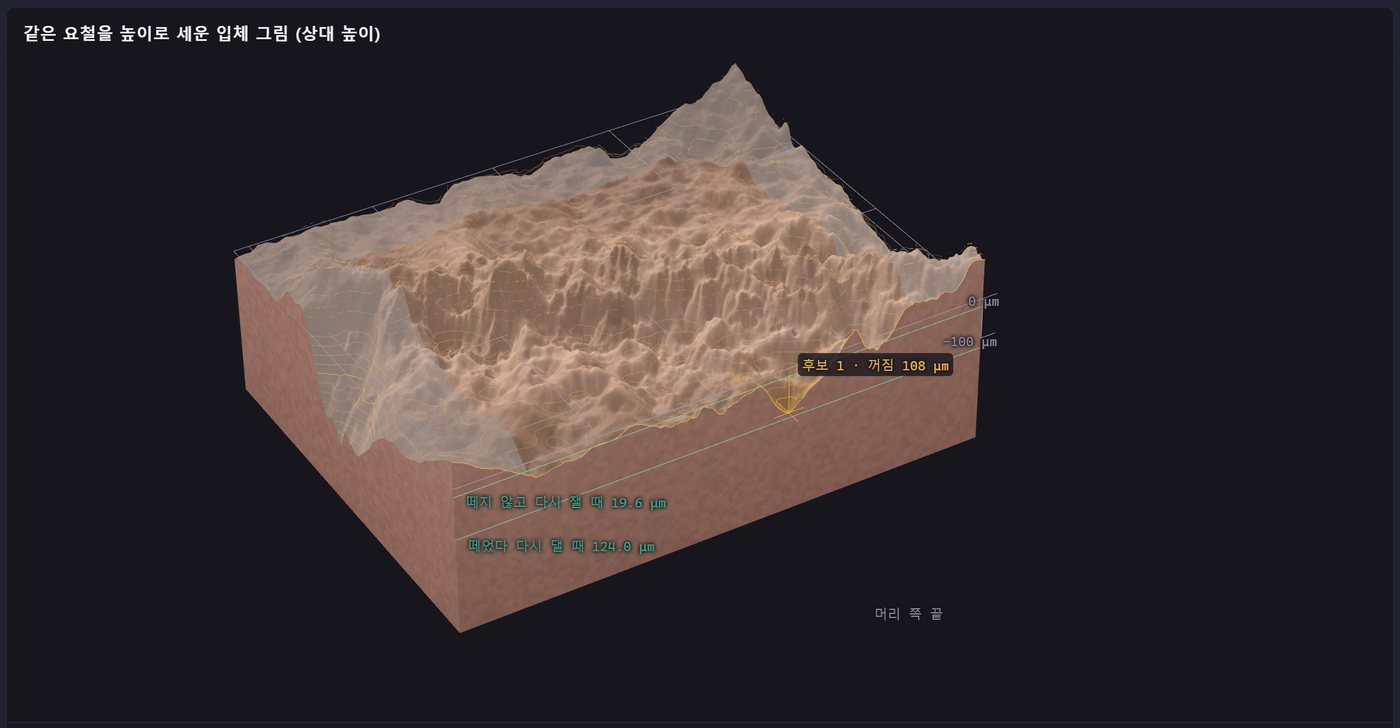
From capture to 3D and cross-section: an actual record
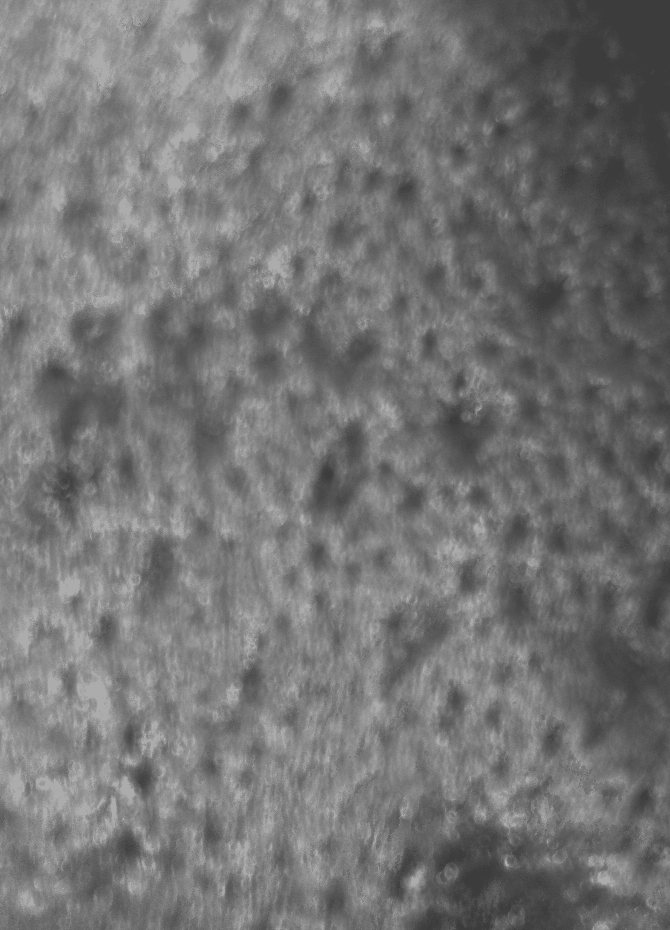
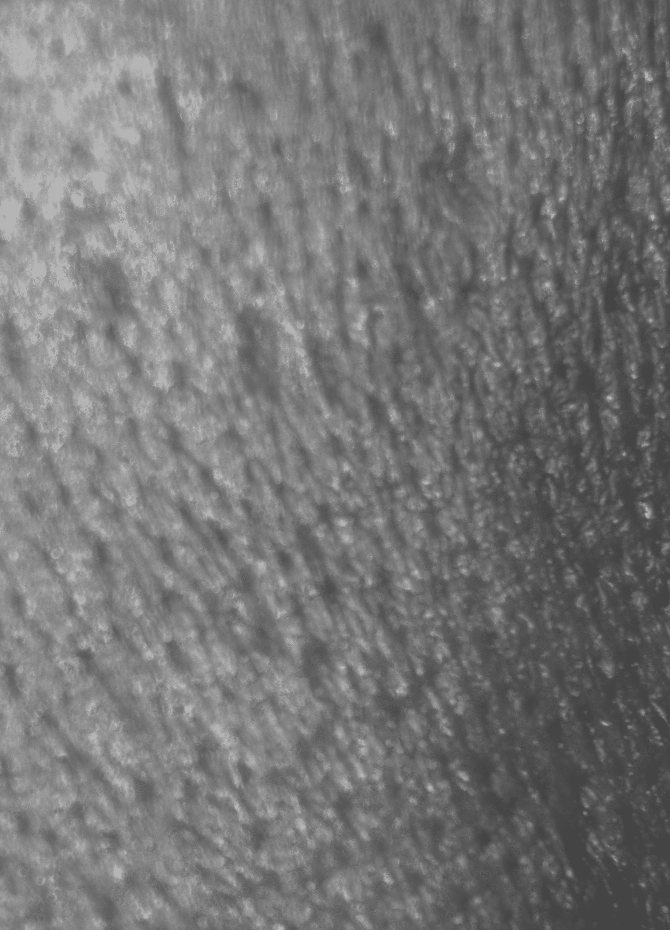
Three sites recorded for one patient on the same day. The original capture and 3D surface are reviewed together, alongside the clinician’s recorded findings.
Recorded 2026.10.24
Right cheek
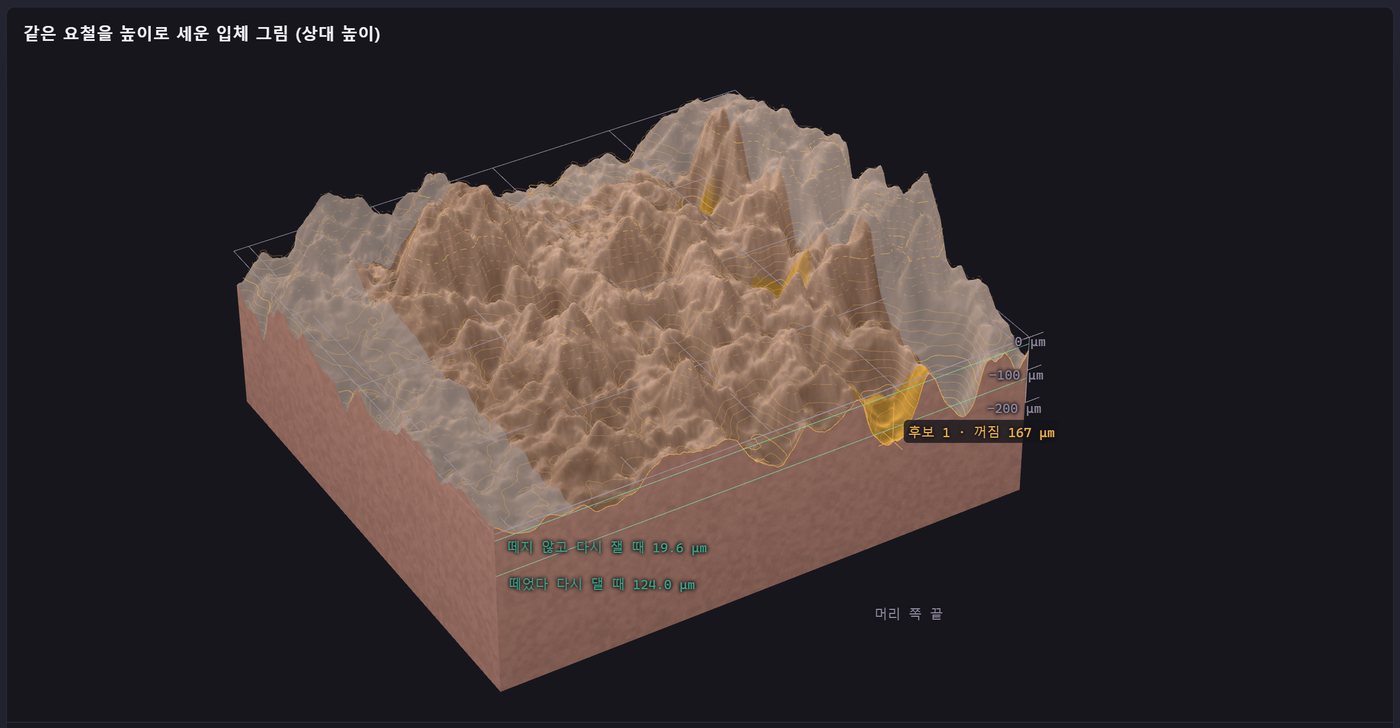
01 · Original capture02 · 3D surface of the same site · height ×14.003 · Relative surface cross-section
Clinician’s recorded findings Icepick, boxcar and rolling types were recorded. The approach was recorded as “address now”, with broad tethering in all directions.
View two other sites from the same patient
Left cheek
01 · Original capture02 · 3D surface of the same site · height ×12.503 · Relative surface cross-section
Clinician’s recorded findings Icepick, boxcar and rolling types were recorded. The approach was recorded as “address now”, with broad tethering in all directions.
Chin · right jaw area
01 · Original capture02 · 3D surface of the same site · height ×17.003 · Relative surface cross-section
Clinician’s recorded findings Boxcar and rolling types were recorded. The approach was recorded as “address now”, with broad tethering in all directions.
Select an image to view it at its original size.
Views from one recording day, not before-and-after results. The 3D illustration exaggerates relative height; its skin tone is not the captured skin colour. Cross-section values are not directly compared between visits.
3D scar recordbaseline capturedate - created at first visit
01
scar location and edge map
Indentation, redness, pigment, and texture are separated on the same standard.
FOUR · AXESFRAME · SAME
02
scar type and structure reading
AI marks separate priority areas, and the clinician groups ice-pick, rolling, boxcar, and other scars by form and depth.
TYPES · 5DEPTH · MAPPED
03
subsurface tethering pattern check
We measure the surface and analyze tethering patterns using internal AI predictions. The doctor palpates the scar to assess the degree, direction, and extent of tethering, then determines the treatment methods and order.
TENSIONRANGE
04
skin response and recovery conditions
Redness, pigmentation, sensitivity, recent procedure history, and lifestyle variables are checked together.
FACTORS · 6DAILY
05
Saesalchim approach range
Areas to approach now, review in stages, and adjust later are separated.
TRACKS · 3START · PREP · HOLD
06
6-12 week comparison standard
Items for comparison under the same conditions at the 6-12 week revisit are set.
W6 – W12SAME · COND.
stage4/4 - 60 seconds
IIIcheck
- 60-second pre-visit baseline check
Your current status is organized in consultation language
Organize scar, skin condition, treatment history, and what you want summarized in under 60 seconds. These answers become the priorities to confirm at the first consultation.
- 01. focus item
what you want to know first today
- 02. skin condition
closest to your current skin condition
- 03. history
Have you had a recent procedure?
- 04. baseline to keep
what you want organized after consultation
CONSULTATION
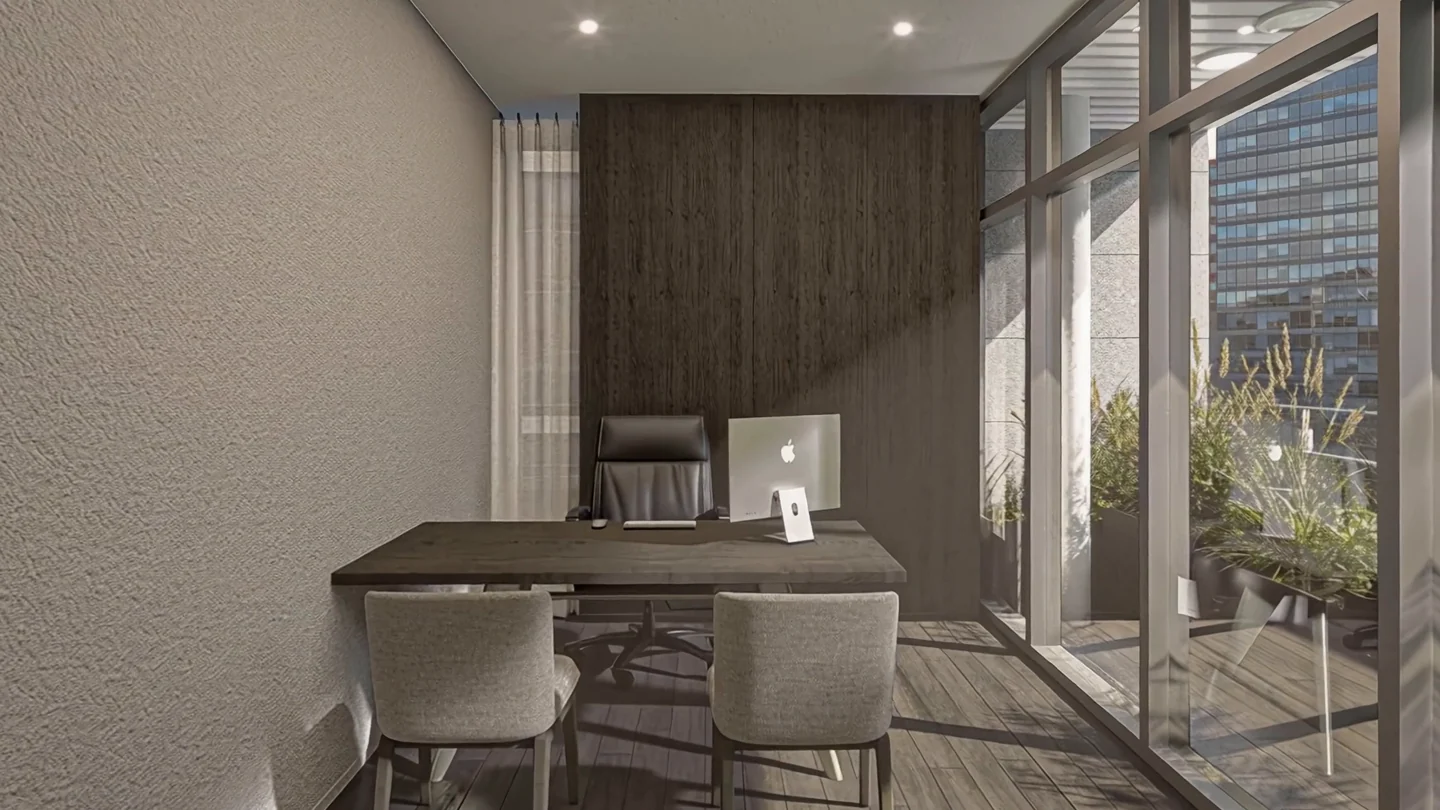
We designed a space for organizing scar standards this way
The consultation room for same-light, same-angle capture and joint review of scar structure and Saesalchim range.
Consultation room
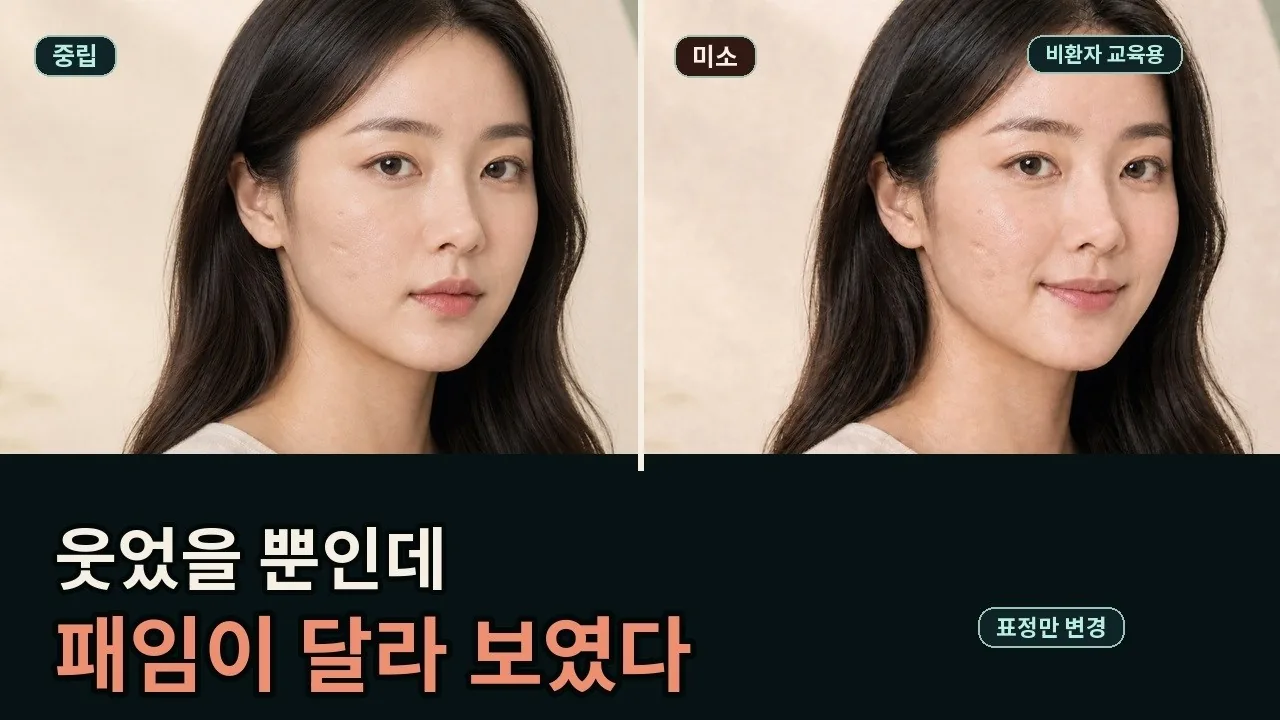
Why the cheek looks hollow only when smiling — matching expression in scar photos
5:18 · Predict Studio
- RECOVER, Gangnam, in front of Seolleung Station Exit 7
After the recovery-planning consultation, the range to approach now and the range to review in stages are organized.
The opening date for RECOVER Clinic Gangnam is September 7, 2026.