Wanting to provide better scar care, Han Cheong Woo built his own measuring device. While treating scars at RECOVER Clinic, he designed the device and review screen to record the same site under consistent conditions. He combines surface measurements with his examination to choose treatment methods and their sequence.
What we look at
RECOVER Clinic Gangnam is a Korean medicine clinic treating scars on the fifth floor of Buil Tower, in front of Seolleung Station Exit 7.
The device measures surface depressions, while the doctor examines scar edges, tethering and skin response. He selects the methods and sequence from Saesalchim, laser and needle RF, then compares records under consistent conditions at follow-up. Take home a 3D scar record with an explanation after your first consultation.
Clinical experience continues through the name and address change
RECOVER Clinic Gangnam is the same business and medical institution continued from Gyurim Korean Medicine Clinic under a new name and address. Han Cheong Woo's ten years of scar and skin-recovery practice and the clinical records from before the name change remain on one institutional line.
Records from before the name change include cases with confirmed treatment timing, procedures, capture conditions, and patient publication consent, and are published separately from current Gangnam records and capture standards.
From the consultation room to an instrument he built
01 · Wanting to treat scars better
While treating scars, Dr. Han wanted to see with patients what had changed and what remained after treatment. That question led him to develop the instrument.
02 · The same area, under the same conditions
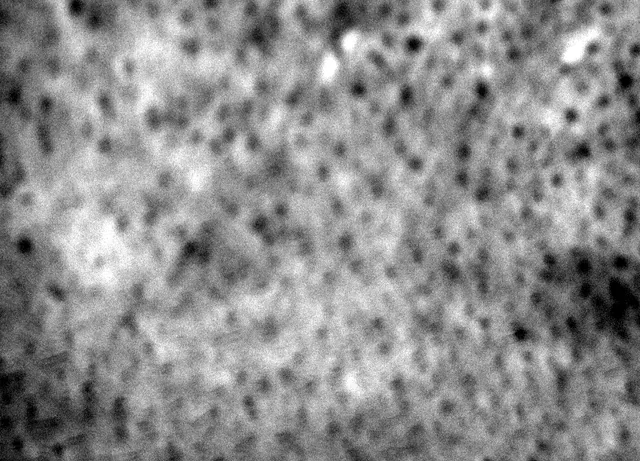
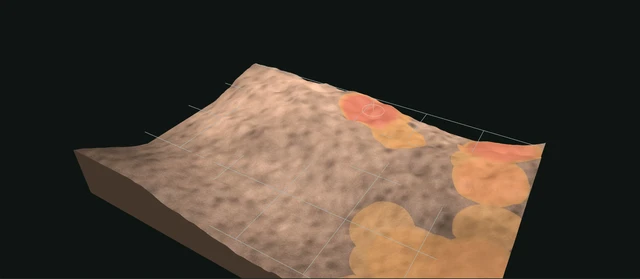
He designed the lighting, controller and viewing interface. Below are an actual scar capture and the 3D surface reconstructed from that capture.
Original capture of the same scar3D surface from the same capture
03 · Using the record to plan treatment
After measuring surface depressions, the doctor examines scar borders, tethering and skin response. He explains the treatment methods and sequence suited to the current condition and shares the 3D Scar Record. At the next visit, records taken under the same conditions are compared.
To explain more precisely why scars become indented and firm, and why redness and pigmentation linger, RECOVER publishes a skin-recovery research record. This research sharpens the consultation standard.