Non-surgical facial asymmetry care
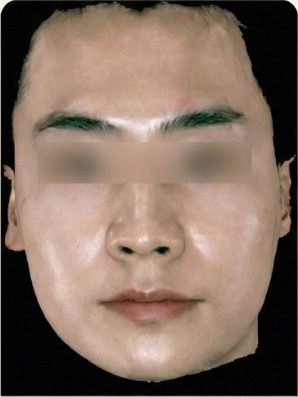
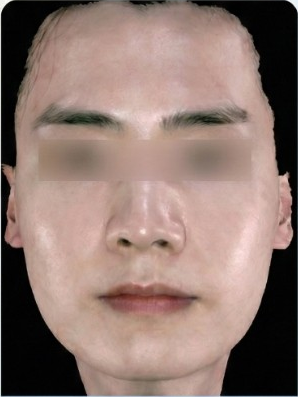
Previously described care · Upper-cervical Chuna and a temporomandibular balancing appliance (TBA)

Left-right differences around the eyes, cheekbones, mouth, and jawline are read by reference points. RECOVER records them under the same conditions and compares them by the same standard next visit.


Two faces made by mirroring the left half and the right half of the same face, and the original. Only the two sides were made identical, yet the impression changes. Human faces naturally differ a little from left to right, and perfect symmetry is not the same thing as natural balance.
So the goal of Facial balance care is natural balance. We record left-right reference points around the eyes, cheekbones, mouth, and jawline under the same conditions and start by reading what differs.
Where do my two sides differ? Take the 30-second self-checkA mirror-symmetry simulation made with an anonymous synthetic face. Not a real patient or a before-and-after.
These facial balance records were previously published by the same medical institution before its name and address changed. Faces, skin, colour and lighting have not been retouched.
Previously described care · Upper-cervical Chuna and a temporomandibular balancing appliance (TBA)
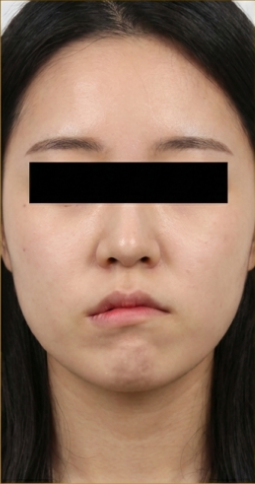
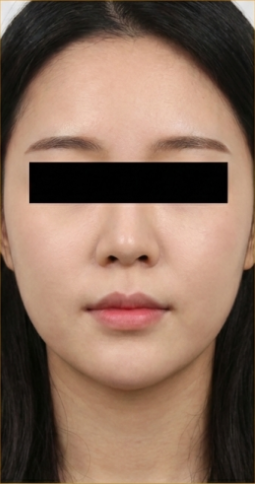
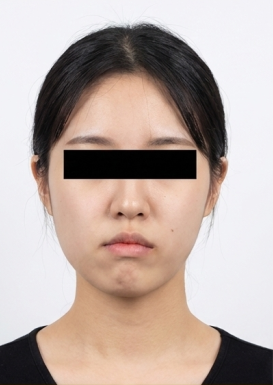
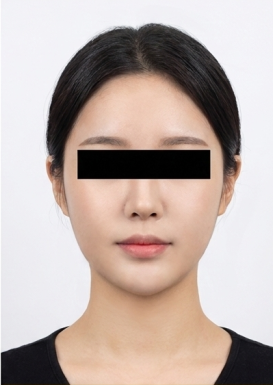
Previously described care · Temporomandibular balancing appliance (TBA) and cervical care
Camera angle, lighting and expression may affect the apparent differences. Results vary by individual. Temporary pain and muscle soreness may occur after Chuna treatment.
Ask about your facial balance →A quick way to identify the left-right reference points to review first in consultation.
Where do you notice the left-right difference most?
When does it look most different?
What do you want most right now?
Choose all three and we will set out which areas to review first.
Your answers are copied. Paste them into the KakaoTalk chat.
The self-check leads directly to the left-right reference points reviewed first in consultation.
RECOVER records reference points around the eyes, cheekbones, mouth, and jawline, then compares them by the same standard next visit.
RECOVER · ACTUAL 3D FACE ANALYSIS
A difference map and landmarks from the same face scan. Review which areas around the eyes, cheeks, mouth and chin to examine with the clinician.


Blue 0 → green 1 → yellow 2 → orange 3 → red 5 mm or more. Grey areas could not be read. Select an image to view its original size.
Colour shows left–right shape differences, not normality or treatment need. Automatic landmark locations are checked before interpretation; the treatment plan follows clinical examination.
View facial balance consultation times →Left-right difference record is the facial left-right difference record produced in consultation. What differs and how, what changes with expression, and the items to review again next time are set out on one sheet.
A front photo aligned to the centre and horizon lines is kept as the reference frame.
The positions of the left-right points marked at the eye area, cheekbone, mouth corner, and jawline are kept with it.
How much the left and right differ at each area is summarized on the same basis.
The difference between the neutral and smiling frames is kept side by side.
Lighting, angle, and distance are fixed so the next photo is taken on the same screen.
What to overlay first at the next visit is written down as items.
Before changing anything, we keep a standard for seeing my face's left and right.
Facial balance care first checks left-right reference points at the eyes, cheeks, mouth corners, and jawline, along with differences in expression and tension, then reviews the jaw joint, neck, and muscles together to plan treatment. Basic care includes a functional assessment with manual therapy, acupuncture, and exercise guidance as needed; a temporomandibular balancing appliance (TBA), thread lifting, or HIFU is added only when the assessment calls for it. The reference-point record is the starting line for comparing before and after treatment under the same conditions.
Left-right differences can come from overlapping causes such as expression habits, posture, bite, and sleeping position, and everyone has them to some degree. RECOVER records how the two sides differ now by the same standard, as the starting point of the consultation.
A clicking jaw is a signal worth checking. In the exam we look at whether there is pain, catching, or limited opening when you open or chew, and set the treatment order around the jaw joint and chewing muscles.
The jawline is shaped not only by bone but also by the masseter, the muscle used for chewing. But the side that looks bigger is not necessarily the side you chew on more. In the exam we look at the outline, feel the muscle directly, and check how the jaw moves and your usual chewing habits.
Not necessarily. A photo someone else takes shows your face flipped from the mirror you see every day, so even the small left-right differences you always had can feel unfamiliar. Looking unfamiliar and being markedly asymmetric are different things, so instead of the feeling we compare the positions of the eyes, mouth and jaw under the same conditions.
RECOVER records the reference points first, checks what changes with expression and tension, then compares again by the same standard at the next visit.
Yes. The first consultation can begin with the left-right reference-point record. Front alignment, reference-point marking, and expression differences are recorded to set the comparison items for the next visit.
When lighting, angle, distance, or expression change, the left-right impression looks different too. Recording under the same conditions is what lets the next visit's change be compared on the same basis.
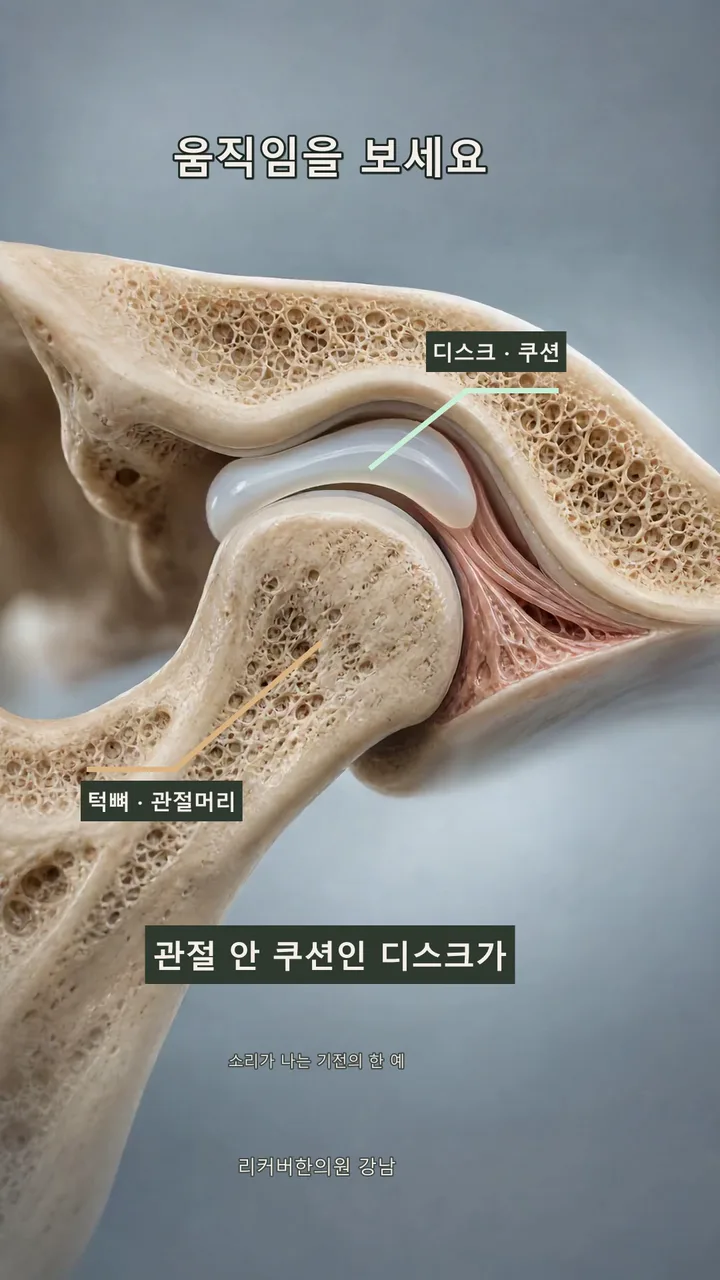
A jaw click: two things matter more than the sound
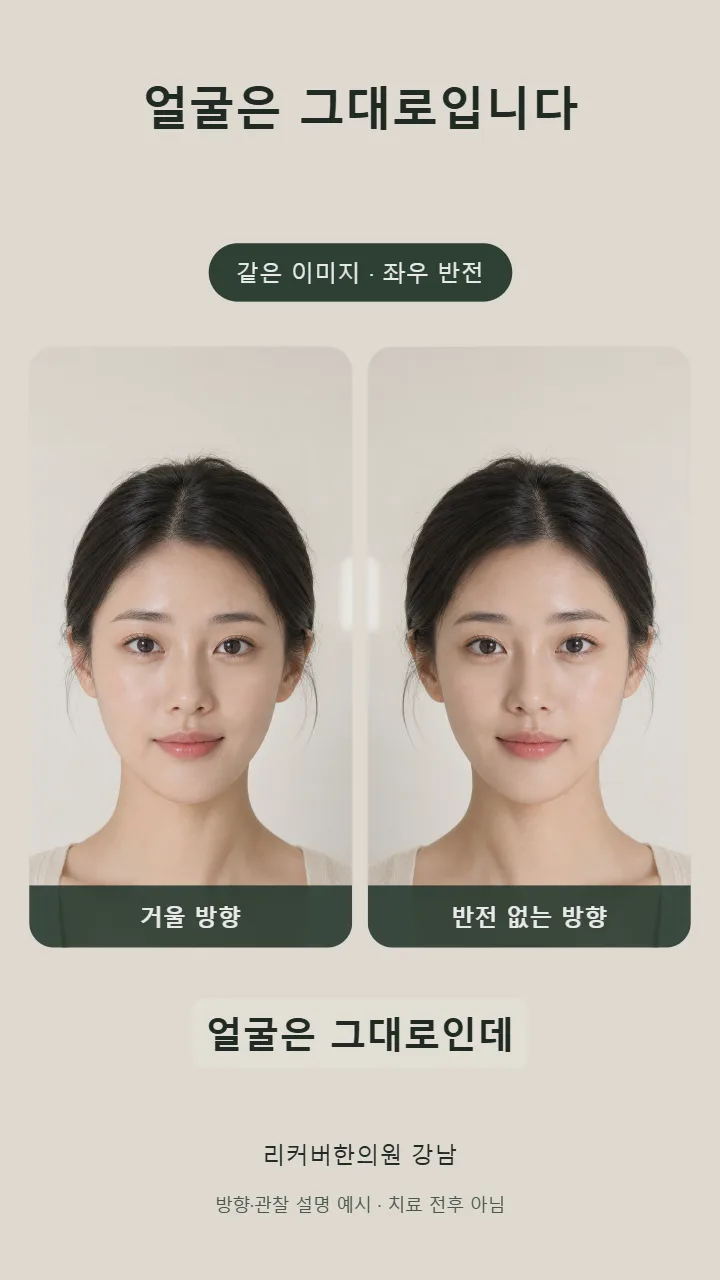
Fine in the mirror, but is that really me in the photo?
Structure and movement examples and explanatory images, not a specific patient's diagnosis or before-and-after.
RECOVER Clinic Gangnam is on the 5th floor of Buil Tower, in front of Seolleung Station Exit 7. The opening date is September 7, 2026.
— Information
In front of Seolleung Station Exit 7Line 2 · Suin-Bundang Line
Recording reference points under the same conditions first, rather than changing something right away, lets the next change be compared with the same eye.
In Gangnam, before touching the balance any further — the reference points first.
Clinical recording tools organizes left-right reference points around the eyes, cheekbones, mouth, and jawline for clinician review. The AI marks; the doctor confirms in person.
Differences across eight left-right reference points are gathered by front view and by expression, then overlaid on the same screen at the next visit.
Left-right reference points around the eyes, cheekbones, mouth, and jawline are kept in 3D and checked again by the same standard at the next visit.
Facial balance care is the part of the RECOVER METHOD that turns same-condition capture, left-right reference points, and the next comparison into a consultation sequence anyone can repeat. The principle is to record it so it can be checked again, rather than to rely on one person's impression.